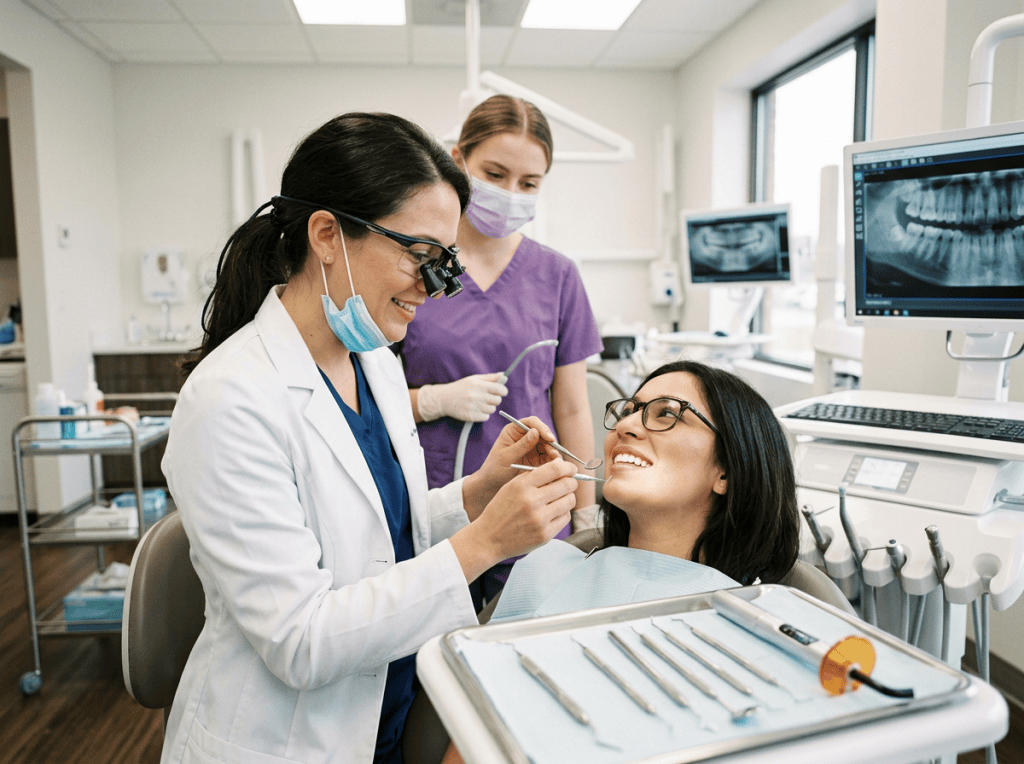
I thought going to the dentist is just something you were supposed to do every six months, where someone reminds you to floss more while you are there.
But oral health is actually connected to the rest of our health in ways I didn’t realize. For example, cavities and gum disease can become painful enough that they make it difficult to eat, sleep, concentrate in school or go to work. And like a lot of the health problems I’ve written about, the people with the most serious dental problems are often the people who have the hardest time getting regular dental care.
Sometimes we talk about brushing and flossing our teeth like it is a responsibility. Obviously, those things matter. But what if your family can’t afford a dentist? What if you don’t have insurance? What if the closest dentist who accepts your insurance is far away? It starts to sound a lot like the other public health problems I’ve written about.
The frustrating part is that many dental problems are much easier to deal with early. A small cavity can be treated. Ignore it long enough and it can become a much bigger problem. Cleaning your teeth on a regular basis helps prevent much bigger problems.
It makes me wonder why dental care sometimes feels so separate from the rest of healthcare. Your mouth is part of your body, so taking care of it should be considered part of taking care of your overall health.
To me, this is another example of a pretty simple idea: preventing a problem early is better than waiting until it hurts.

