I’ve always thought of antibiotics as pretty basic medicine. You get sick, the doctor gives you antibiotics, and you get better. But I recently learned more about antibiotic resistance, and it’s actually a much bigger global health issue than I realized.
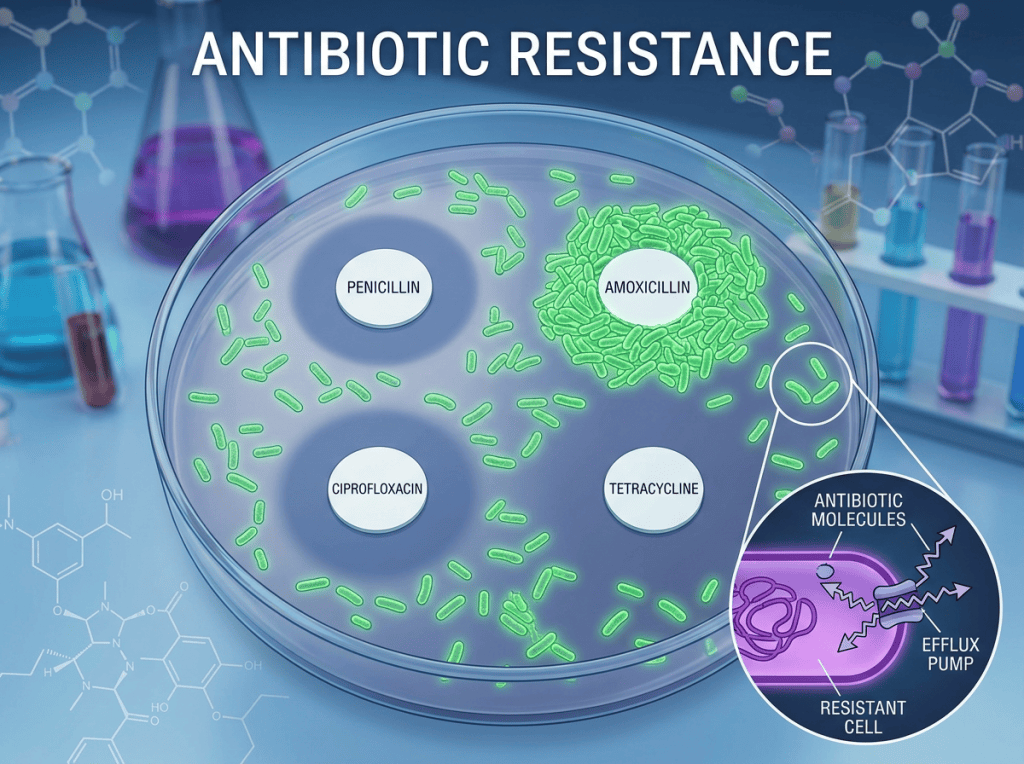
Antimicrobial resistance happens when bacteria and other germs change over time and stop responding to medicines. This can make infections harder to treat and increase the risk of serious illness and the spread of disease.
This isn’t just about developing stronger medicines. Prevention matters too. The World Health Organization’s new global plan talks about things like preventing infections, improving sanitation and hygiene, vaccination, monitoring resistance, and making sure antimicrobial medicines are used responsibly.
Something as simple as preventing an infection in the first place can mean that a person never needs antibiotics. I think antibiotic resistance is interesting because it shows how medicine and public health have to work together. Scientists can develop new treatments, but we also have to protect the medicines we already have and find ways to prevent people from getting sick to begin wih.

