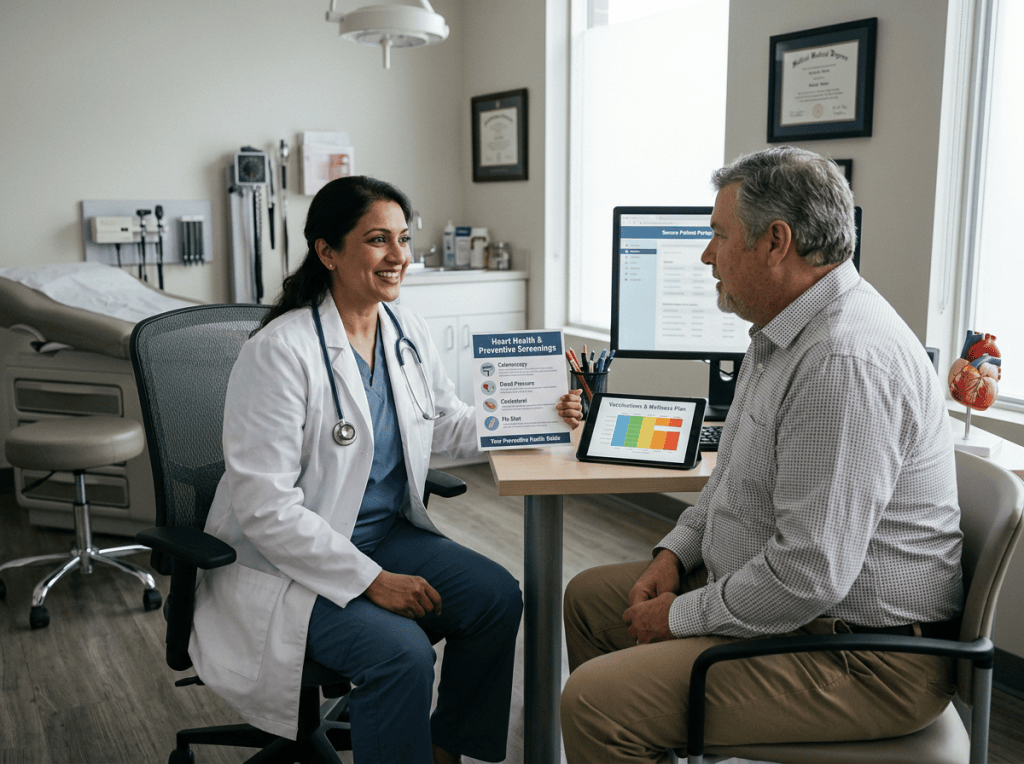
A lot of my blogs talk about prevention, and most prevention happens in primary care: regular checkups, screenings, managing small problems before they get big. So this trend worries me a bit.
According to NPR, the AAMC estimates the U.S. could be short about 86,000 primary care doctors by 2036, as older ones retire and less new doctors choose the specialty. It also noted that the number of people who can’t find a primary care doctor has increased by about 20% in the last decade. Part of the reason less med students pick primary care is that it tends to pay less and come with more stress than other specialties.
This connects to the mental health provider shortage I wrote about before. It’s the same basic problem but in a different spot. Even when people want care, there aren’t enough providers, especially in underserved areas.
This is a big prevention problem. If people can’t get a regular doctor, they miss the screenings and early catches that stop small issues from becoming big ones that really impact their health. You can talk about prevention all day, but it only works if there’s someone there to help you.

