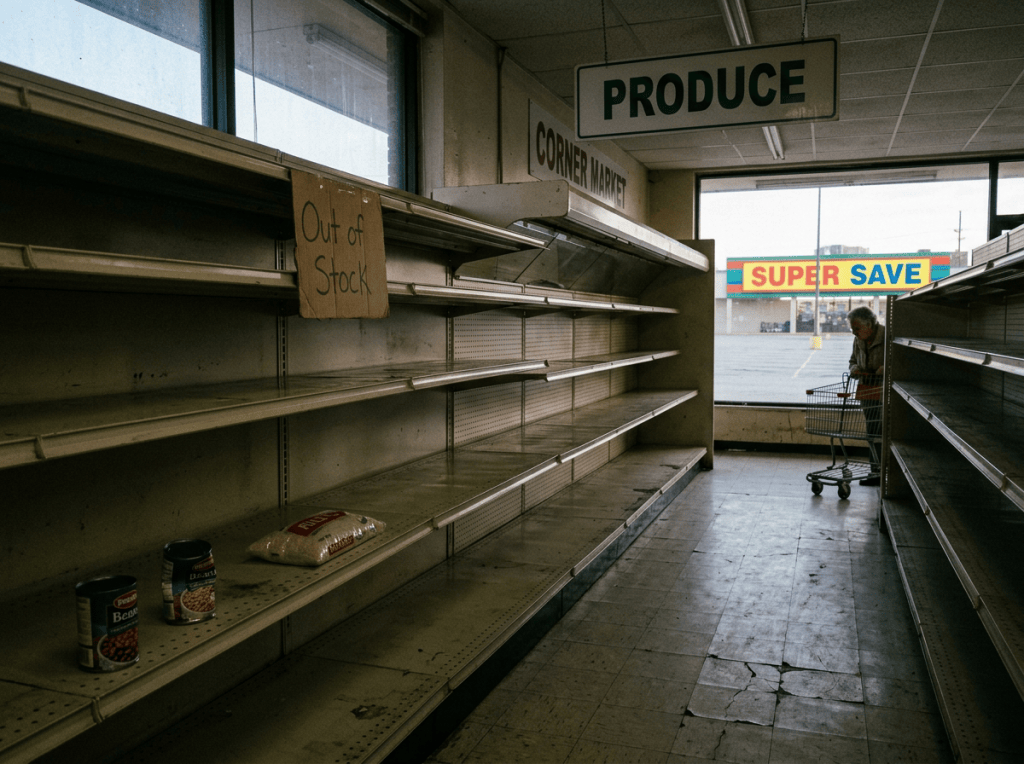
I wrote a while back about food and chronic disease. This blog talks about the flip side: what happens when healthy food just isn’t around people.
These areas are called food deserts, where people have limited access to affordable and healthy foods. According to the University of Vermont, the food available in these areas is often high in sugar, sodium, and unhealthy fats, and food deserts have become a major contributor to chronic illnesses like diabetes, hypertension, obesity, and some cancers.
The part of the article that stuck with me is that blaming individuals for having poor diets doesn’t really focus on the barriers that limit access to healthy food. That’s a point I keep getting stuck on. It’s easy to tell someone to “just eat healthier,” but if the closest store with fresh foods is too far and they don’t have a car that advice doesn’t help much at all.
The article also mentioned some fixes, like incentives to bring grocery stores into underserved areas, mobile markets, and school food programs. That’s the part that gives me hope. Food deserts aren’t permanent. They’re something communities and policies can actually change.
Article: Breaking the Link: Food Deserts and Chronic Illnesses — University of Vermont

