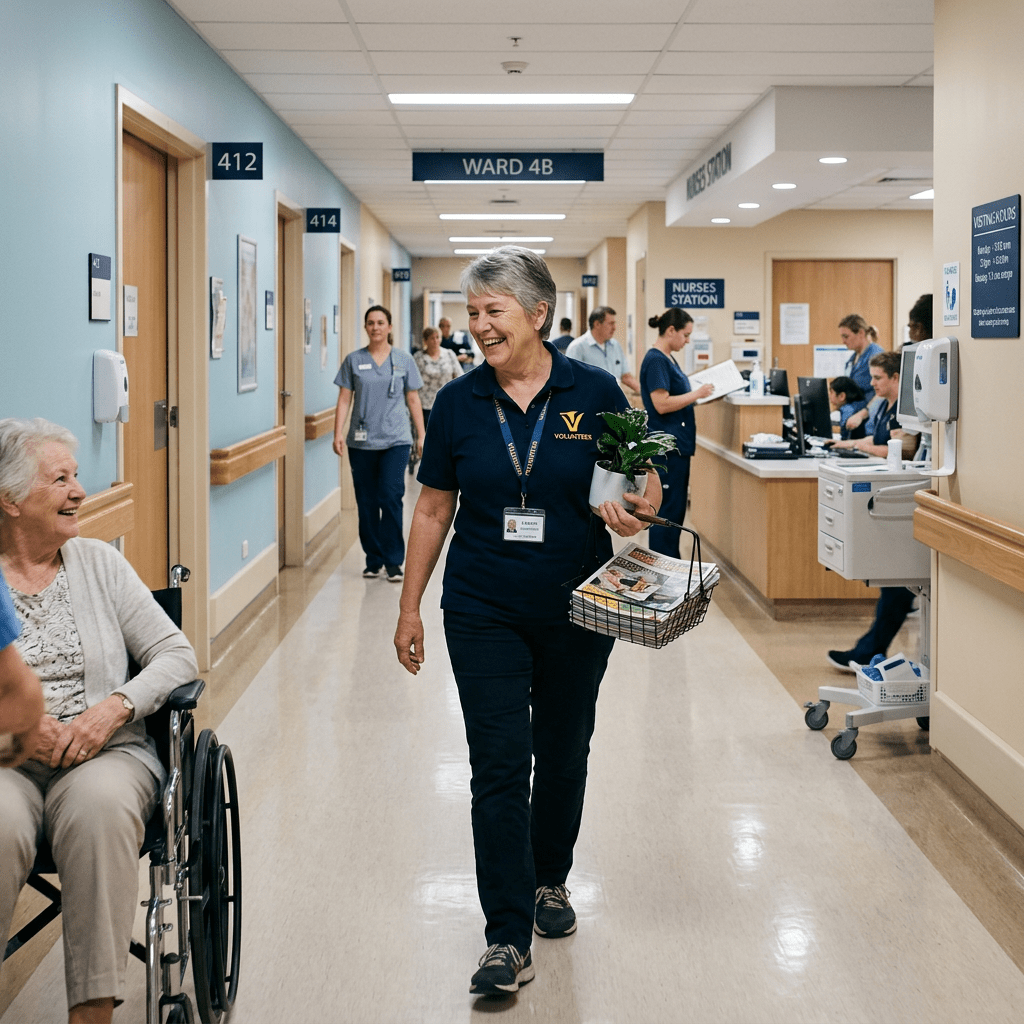
Being a patient care volunteer at Orlando Health has probably taught about things I never thought about before. I round on a med/surg inpatient unit, helping with patient comfort and basic needs, and it’s given me a real, up-close view of what care actually looks like.
One thing I didn’t expect to care about so much is infection prevention. It sounds like a
small, boring detail, but it’s a big deal. The CDC reports that on any given day, about 1
in 31 hospital patients has at least one healthcare-associated infection, meaning an
infection they picked up while getting care at a hospital. That’s crazy and completely unexpected. And one of the simplest, most effective ways to prevent these infections is something everyone learned as a little kid: washing your hands.
I love that, because it connects to the virtual internship I did on the hand hygiene campaign
in Nigeria. Clean hands were about preventing deadly diseases in a community
without much access to care, which sounds so simple. In a hospital, clean hands are all about protecting patients who are already sick. Totally different settings, but same basic prevention tool.
The other thing I’ve learned from volunteering is how much compassion matters. A lot of what I do is just being there for people during scary, vulnerable moments, helping with their comfort and making the experience a little less hard. Some of these patients are also alone and have no family. And I’ve started to see how that compassionate, consistent care leads to better health outcomes. People who feel cared for and supported tend to do better.
I started this volunteering experience thinking the hospital was where science happens, the dramatic stuff you see on tv. But honestly, a lot of what keeps patients safe and helps them heal is pretty simple. Clean hands. Comfort. Attention. Consistency. It’s the difference between getting better and getting worse.

