I used to think having access to healthcare basically meant having insurance and a doctor nearby. The more I’ve learned, though, the more I’ve realized it’s not that simple.
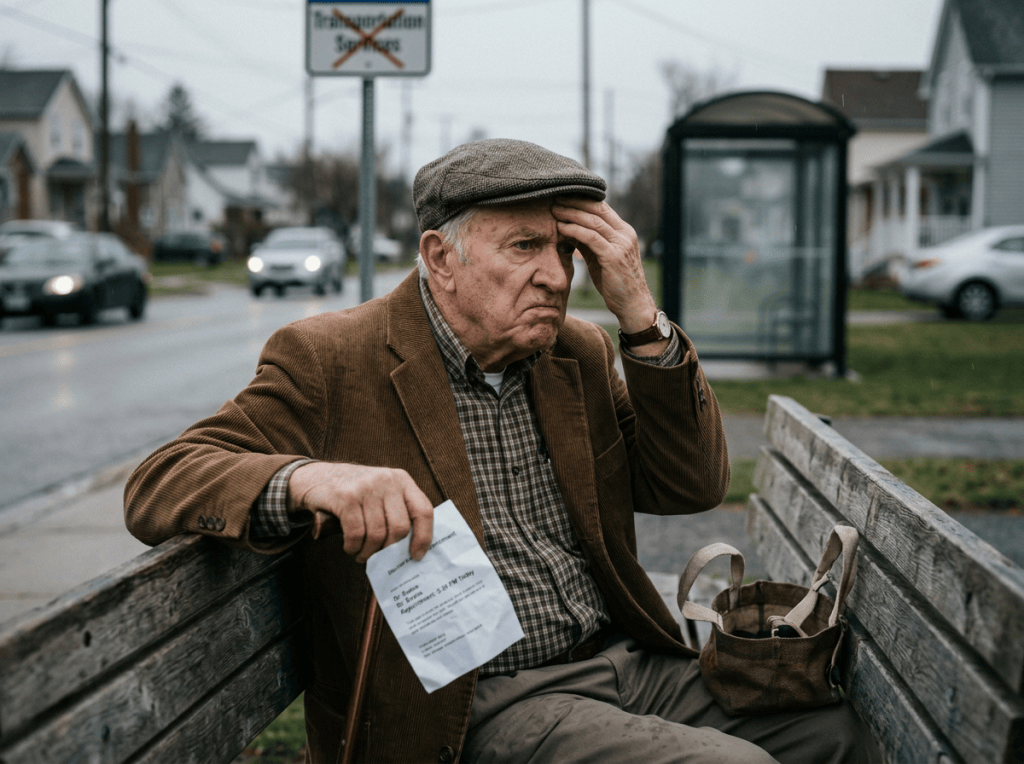
You can have insurance and still not be able to afford your up-front payment. You can have a doctor but wait weeks for an appointment because the doctor has no appointments available. You can live near a hospital but not have a car to get there. You can even get a prescription and then realize the medicine is too expensive. So just because healthcare is there doesn’t mean it’s actually easy for someone to use.
This is something I’ve started noticing more through my volunteering experiences and reading more about healthcare. Before these experiences, I don’t think I really thought about all the smaller problems that can get in the way of someone receiving care.
We talk a lot about new treatments and medicines, and those things are really important. But I’ve started to wonder what happens when someone can’t actually get the treatment. What if they can’t afford it? What if they can’t get to the doctor’s office or can’t make it back for another appointment?
That’s why I’ve become more interested in healthcare access. There’s more to it than just having hospitals, doctors, and insurance. Those things obviously matter, but what matters even more is whether people can actually use them when they need them.
To me, healthcare isn’t truly accessible just because it’s available somewhere. People have to actually be able to get to it and use it in real life.

