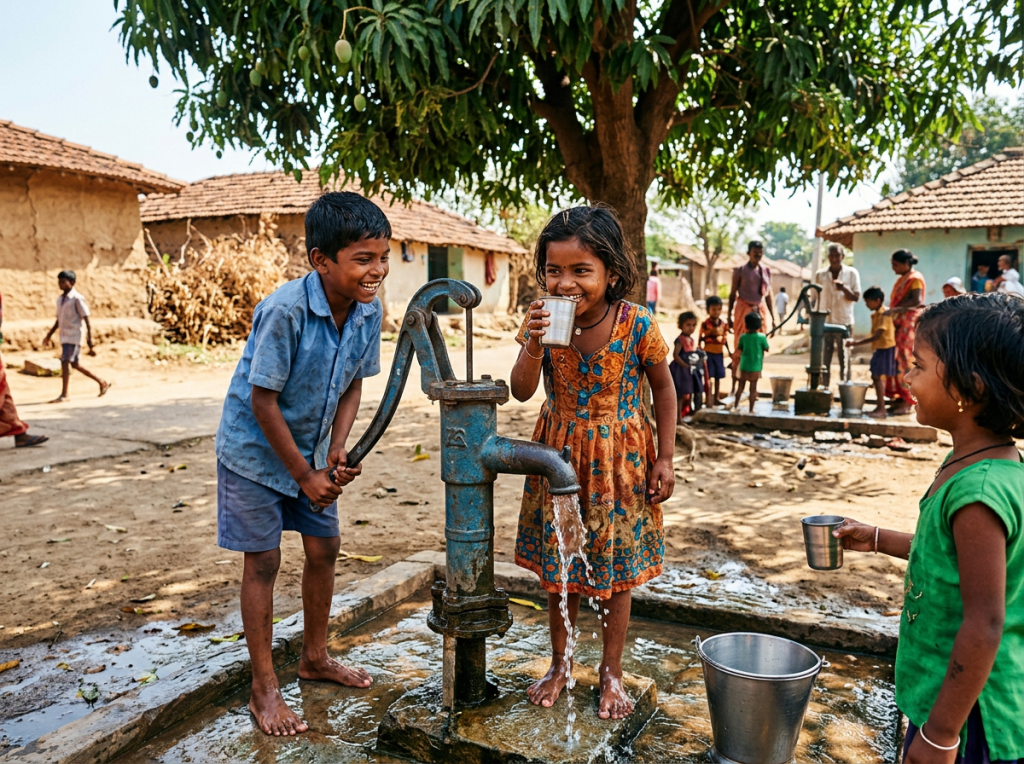
Last year I started working as a public health research intern, and one of the things I’m most proud of is the work I got to be part of the International Public Health Internship program to assist a community in need in Bauchi, Nigeria. We helped design a community health campaign focused on preventable disease, sanitation, and the basic lack of healthcare access in one of the most underserved parts of northern Nigeria. A big piece of it was teaching hand hygiene, and we fundraised thousands of dollars to support it.
People in the U.S. sometimes hear “hand washing campaign” and think it sounds too simple to matter, but the numbers say otherwise. According to the World Health Organization, around 1 million people die each year from diarrhea caused by unsafe drinking water, sanitation, and hand hygiene, and a lot of those deaths are children under five. The WHO also says these deaths are largely preventable.
Largely preventable. That word again. It keeps showing up in everything I write about, and it’s the whole reason I do this.
What hit me while working on this project is that clean water and clean hands are healthcare, even though no doctor is involved. You don’t need a hospital to prevent a child from getting a deadly infection from dirty water. What you truly need is clean water, soap, and people who know why it matters. It saves lives at a scale that’s honestly hard to match with treatment. Seeing this up close changed how I think about global health. Before, I pictured global health as doctors flying in to treat people. Now I think the most powerful interventions are often the least dramatic ones, like a well, a latrine, or a simple lesson on washing hands before eating. It’s not flashy, but it works, and it reaches whole communities instead of one patient at a time.

