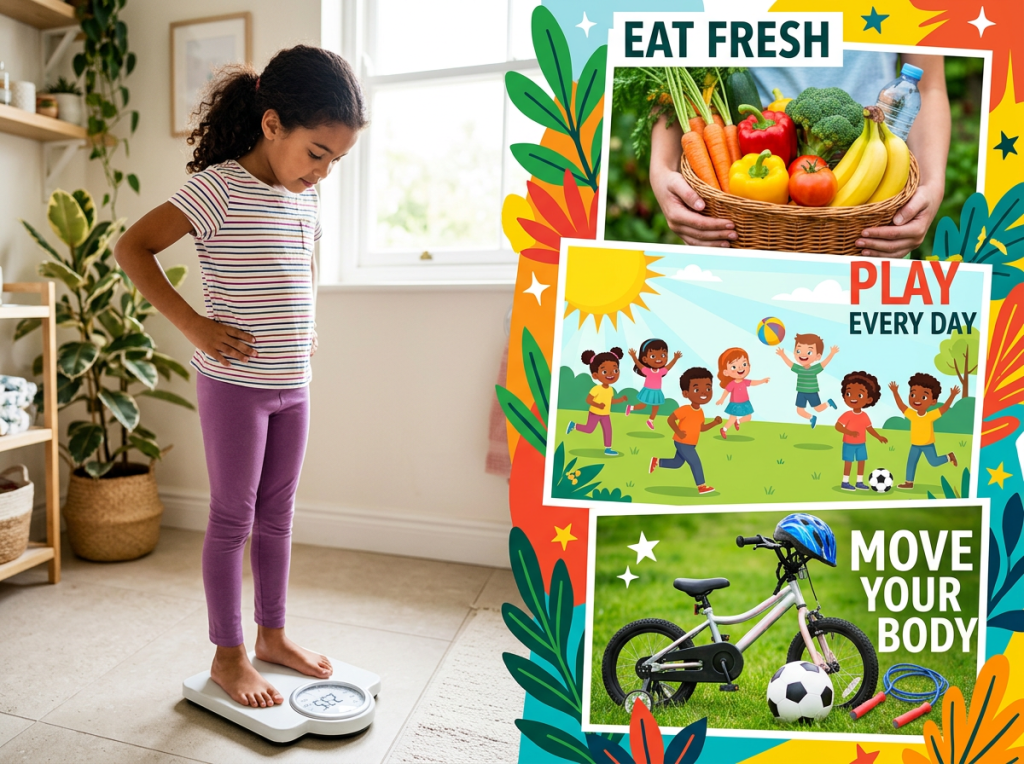
According to the CDC, obesity affects about 1 in 5 kids and teens in the U.S., which is about 14.7 million young people ages 2 to 19. Recent CDC reports also show childhood obesity rates have actually hit record highs. The CDC also says that obesity goes up as family income goes down, so kids from lower-income families are more likely to be affected.
Childhood obesity isn’t just about kids eating too much or not exercising. It’s tied to whether families can afford healthy foods, whether there’s a safe place to be active, and if good options even exist in their neighborhood. Those are social determinants of health that I keep talking about.
This is something I saw coaching kids at the West Orange Rec Center. For some of them, our program was the one opportunity they had to be active in a structured and safe way. If that program didn’t exist, those kids would have less opportunities to exercise and be active, and it’s not because they didn’t want to. It’s because they didn’t have any other options.
What makes childhood obesity such a big deal for prevention is that they will grow up to be obese adults, which raises the risk of diabetes, heart disease, and other chronic conditions. So this is a problem we really want to get ahead of and not deal with later, which ties back into the topic of prevention.
The good news is that since it is preventable, early interventions like better school nutrition, active programs, and education actually help communities. We just have to make sure those reach the kids who need them most.

