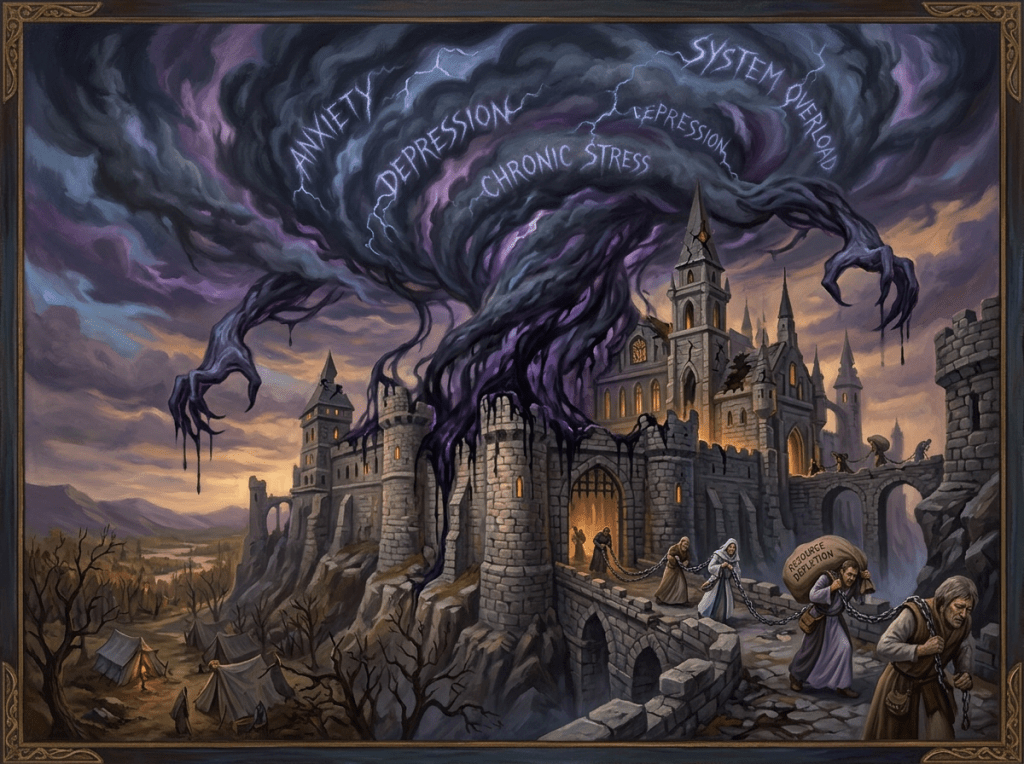
One thing I’ve been reading about lately is how the emergency room has kind of turned into the default place people go for mental health crises. And that’s a problem, because the ER usually isn’t set up for that kind of care.
I found an article from the American Journal of Managed Care that explained that a lot of mental health emergency room visits are considered “avoidable,” meaning if the person had access to better healthcare previously, it could have been handled somewhere else. The article said these preventable visits cost an estimated $8.3 billion a year and put a real strain on emergency rooms. However, it also made a point I thought was important, which is that calling them “avoidable” can unfairly blame the patient, when the real issue is that the system didn’t give them another option.
That last part stuck with me. If someone is having a mental health crisis at 2 am and there’s no clinic open and no therapist they can reach, the ER is the only place left. So they’re not making a bad choice; they are just making the only one available.
This connects to the prevention idea I keep writing about. If people had regular, affordable access to mental health care, a lot of these crises might never reach the emergency level. Mental health is one of the specialties I’ll be researching at UCF this summer, and I want to look at this exact gap between when someone first needs help and when they actually get it.
It feels like we wait until things are at their absolute worst, and then act surprised that it’s expensive and hard to fix. Catching it earlier seems like the obvious move, but our system isn’t really built that way yet.

