Pandemics are something pretty much everyone has had to think about since COVID-19. A pandemic is basically when a disease spreads to a ton of countries at once and a lot of people get sick. We all lived through that, and honestly the world is still trying to figure out what went wrong and how to do better next time.
One thing that makes this hard is that new diseases keep showing up. Viruses mutate and sometimes jump from animals to humans, which scientists call zoonotic diseases. That sounds complicated but it basically just means we can catch something from an animal. Because of that, countries have to stay on alert all the time, which is a lot to ask.
Not every country is set up the same way either. Some places have really good hospitals and plenty of doctors. Other places barely have enough to take care of everyday health problems, let alone a pandemic. That means people in those countries are way more likely to get seriously sick or die just because of where they were born, which seems really unfair when you think about it.
Vaccines were a huge deal during COVID-19 too. Wealthier countries got them fast, but other places had to wait for a long time. The problem with that is the virus kept spreading in the countries that didn’t have vaccines yet, which gave it more chances to mutate into new variants. So even if your country was vaccinated, you weren’t totally safe because of what was happening somewhere else.
Being prepared before a pandemic even starts is something a lot of experts talk about. That means having systems in place for testing, tracking outbreaks, and sharing information between countries. From what I’ve read, a lot of countries still aren’t putting enough money into that kind of preparation, which is a little scary.
Technology is helping though. Scientists can use data to predict how a disease might spread and figure out the best way to slow it down. The issue is that not every country has access to that technology, so the gap between richer and poorer nations shows up here too.
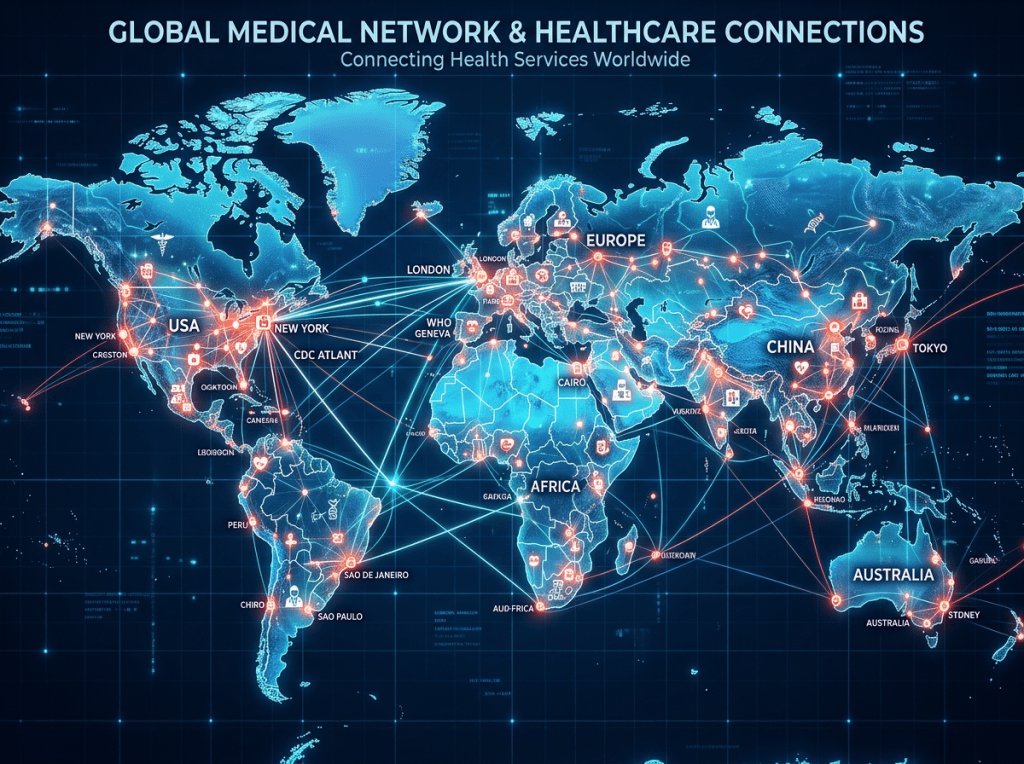
The biggest lesson I took away from all of this is that countries actually have to work together. A virus doesn’t stop at a border, so it doesn’t really make sense for every country to just handle things on their own. The World Health Organization tries to get everyone on the same page, but politics and money always seem to get in the way.
At the end of the day, pandemic preparedness matters because it affects every single person on the planet. We learned a lot from COVID-19, but there’s still a lot that needs to change. If countries share resources, plan ahead, and actually cooperate, we’d be in a much better position when the next one hits.
 Health Before Healthcare