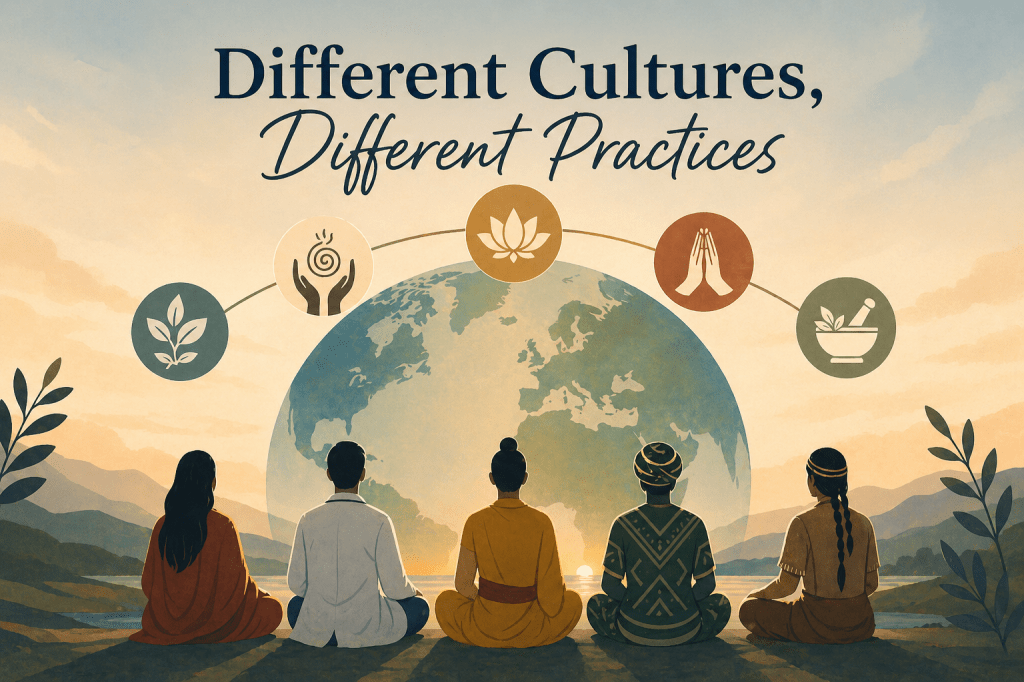
When people get sick, they do not all heal the same way. Different cultures around the world have different healing practices based on their beliefs, traditions, and environments. Religion sometimes also plays a part in this process. Anthropology helps us understand that medicine is not only about biology, but also about culture society is exposed to.
In Western countries like the United States, doctors usually use hospitals, medications, and surgeries to treat illness. This type of medicine focuses on science, germs, and the human body. However, many cultures also use natural healing methods that have been passed down for generations. These can include herbal medicine, spiritual healing, or rituals meant to restore balance in the body. Medical anthropology explains that these practices are shaped by history, religion, and local resources.
For example, some cultures believe illness is caused by spiritual imbalance or emotional stress, not just physical problems. Treatment may involve prayer, cleansing rituals, or advice from a traditional healer instead of a doctor. Even though these methods are different from Western medicine, they still help people feel supported and understood.
Learning about different healing practices is important for future doctors. Understanding an individual’s culture can help medical professionals provide better care and treat patients with respect while also tailoring those options to their personal needs. I am particularly passionate about this topic because I believe the best path to good health is by focusing natural healing practices, as well as preventive medicine.

