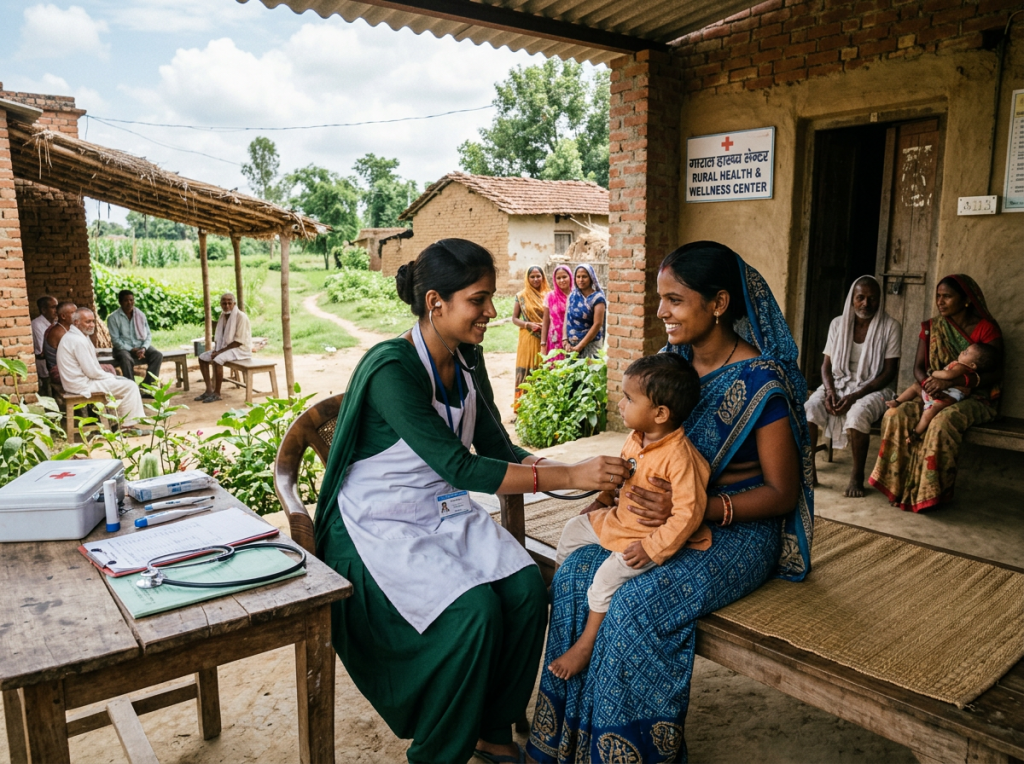
When people think about problems with healthcare access, I think they sometimes picture other countries or extremely poor communities. But you don’t have to leave the US to find places where getting basic medical care can be difficult.
Rural health has become more interesting to me because it shows how much distance can affect someone’s health. Think about getting a normal checkup. If you live in a city or suburb, there are many doctors available within a few miles. Now imagine if getting to a doctor requires a long drive. If you’re working, taking care of kids, if you’re older, or don’t have a car, a simple appointment isn’t simple.
Living far away from a hospital can affect what happens if you get sick or injured. This connects to the idea behind some of the blogs I’ve been writing. We tell people to get screenings, go to regular checkups, and get medical problems looked at early. That’s good advice. But advice only works when people actually have access to the thing we’re telling them to use.
That’s why I think healthcare access has to include geography. Sometimes we talk about healthcare shortages, but for someone who needs care, though, a shortage can mean an extra hour in a car. That’s a real problem.

