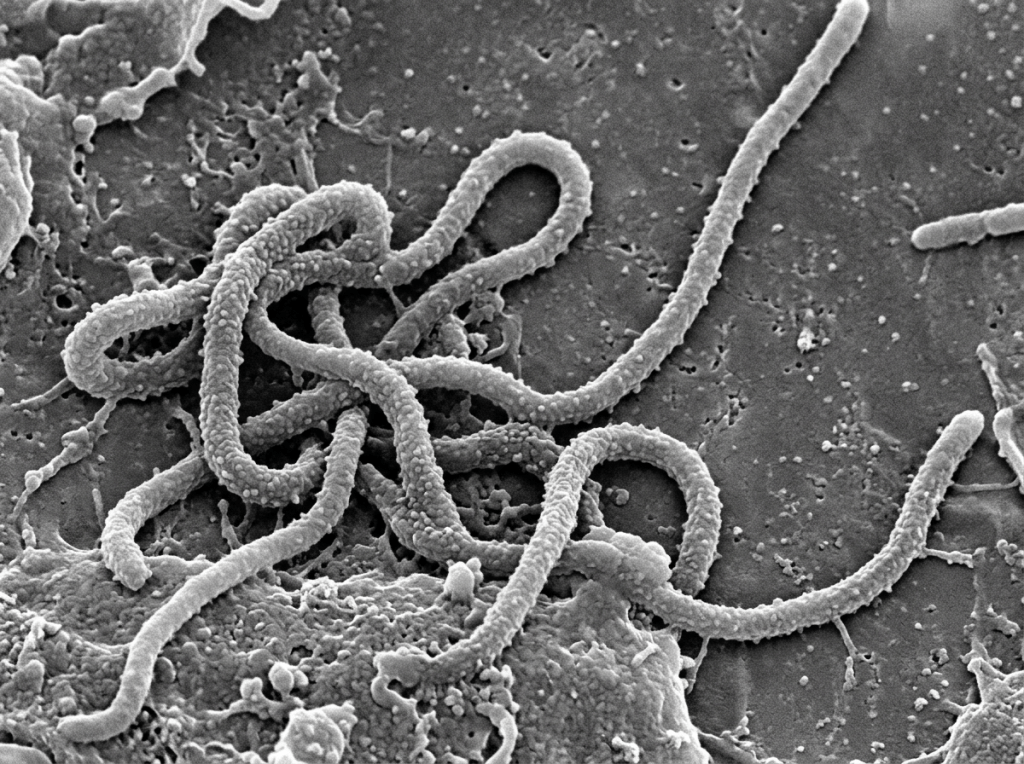
If you’ve ever heard of Ebola, you probably picture it as one of those scary diseases from a movie or a news story that felt very far away. But on May 17, 2026, the World Health Organization, the group that is in charge of monitoring health threats across the entire planet, officially declared that Ebola is spreading in Central Africa, and it’s serious enough to be called a global health emergency.
The outbreak is happening in two countries, the Democratic Republic of the Congo and Uganda. These are places that already face some of the toughest conditions in the world, such as limited hospitals, hard-to-reach communities, and ongoing conflict that makes it incredibly difficult for health workers to even get to the people who need help.
What does a “global health emergency” actually mean? It means this isn’t just someone else’s problem. It means the WHO is telling countries everywhere, including ones nowhere near Africa, to pay attention and start preparing.
This is exactly the kind of moment that shows why global health matters. Not just for doctors and scientists, but for all of us, because when a deadly disease starts spreading in one of the hardest places on earth to contain it, the whole world has reason to care.
For more information, look here: First meeting of the IHR Emergency Committee regarding the epidemic of Ebola Bundibugyo virus disease in the Democratic Republic of the Congo and Uganda 2026 – Temporary recommendations
 Health Before Healthcare