I want to try writing about a policy topic, because policies are a huge part of public health even though they’re not as exciting as other stuff.
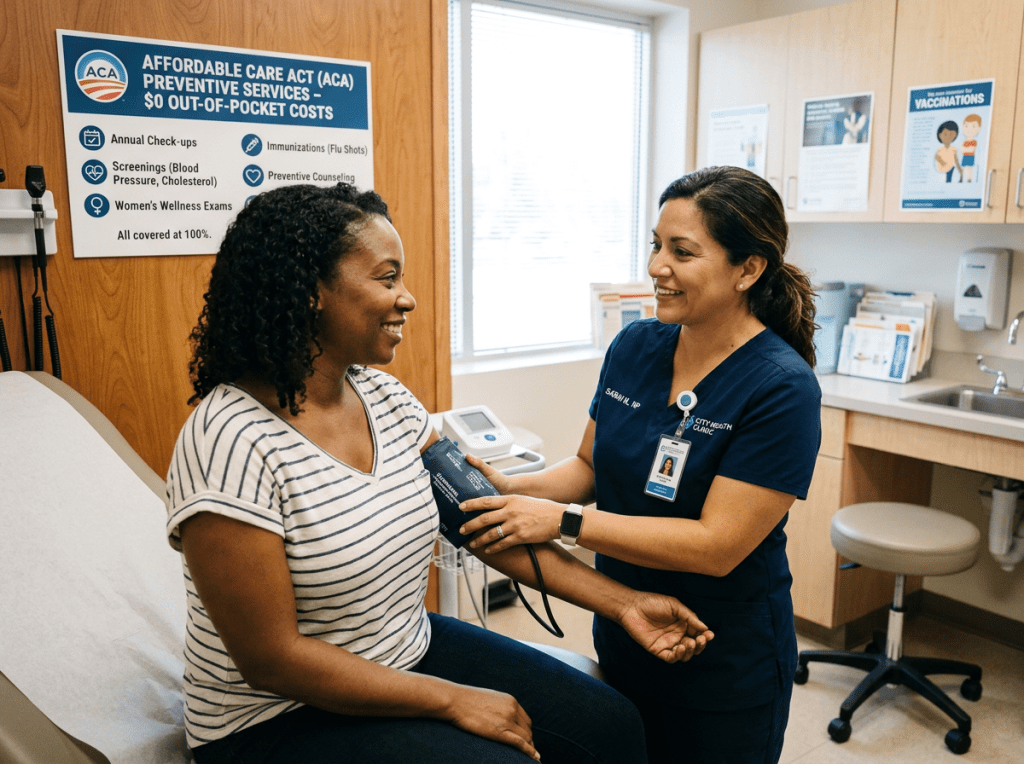
One of the biggest examples is the Affordable Care Act, which a lot of people just call the ACA or Obamacare. A part of that law requires most private insurance plans to cover certain preventive services with no out-of-pocket cost. According to KFF, that includes things like cancer screenings, blood pressure and diabetes checks, and other tests, and around 150 million people are on plans that include this free preventive coverage.
The reason this matters so much is cost. Cost is one of the biggest reasons people skip preventive care. If a screening costs money, plenty of people will just put it off, especially if they feel fine. But a lot of the time, “feeling fine” is exactly when you want to catch something, before it turns into something serious. So removing the price tag on prevention is a direct way to get more people to actually use it.
KFF also points out that the evidence on whether this changed screening rates is mixed, which I think is worth being honest about. Making something free doesn’t automatically fix everything, because there are other barriers too, like time off work, transportation, or just not knowing the screening exists.
But to me, this is a perfect example of how a policy can be a prevention tool. A law about insurance doesn’t sound like healthcare, but it directly decides whether millions of people get a checkup or a cancer screening. That’s the kind of upstream thing I think we should pay more attention to. Sometimes the most powerful health intervention isn’t a treatment at all, and it can be a decision made in a government building.
Article I read: Preventive Services Covered by Private Health Plans under the ACA — KFF
 Health Before Healthcare